
Table of Contents
Tap to View
Every growing civil contractor, turnkey builder, and individual property developer eventually faces the strategic crossroads: Is it cheaper to rent or buy scaffolding? At first glance, purchasing equipment seems appealing—after all, you own an asset that can theoretically be reused on future projects. However, experienced builders in Bangalore know that the true cost of owning steel scaffolding extends far beyond the invoice price. Hidden expenses such as warehouse storage, rust maintenance, transport handling, and idle capital frequently turn owned scaffolding into a financial burden.
⚡ Financial Verdict
Unless you maintain an active site utilization rate exceeding 70% for at least 30 consecutive months and own free warehouse yard space in Bangalore, renting scaffolding is 40% to 65% cheaper than buying new inventory.
1. The Real Cost of Buying Scaffolding: CapEx & Hidden OpEx
Let us break down what actually happens when you buy scaffolding inventory in Karnataka:
- Enormous Upfront Capital Outlay: Purchasing enough modular Cuplock and H-frame staging for a single mid-rise building (approx. 15 tonnes of steel) demands an immediate capital expenditure of ₹12 Lakhs to ₹18 Lakhs. This money is locked up instead of buying essential structural inputs like cement, TMT rebar, or financing new client bids.
- Bangalore Warehouse Rental Overhead: Storing 15 tonnes of steel during gaps between projects requires at least 1,500 sq.ft of open or semi-covered yard space. In industrial belts like Peenya, Bommasandra, or Hoskote, open yard rent runs ₹15,000 to ₹35,000 every month—year in, year out.
- Continuous Rust & Maintenance Expenses: Bangalore's monsoon climate causes rapid oxidization and corrosion on mild steel. Stored pipes must be regularly descaled, thread-greased on acme jacks, and repainted with bitumen or red oxide paint, requiring dedicated labor.
- Equipment Theft & Loss on Site: Couplers, pins, and base jacks are prime targets for scrap theft on unmanned construction sites. Owners consistently lose 5% to 8% of components per project cycle.
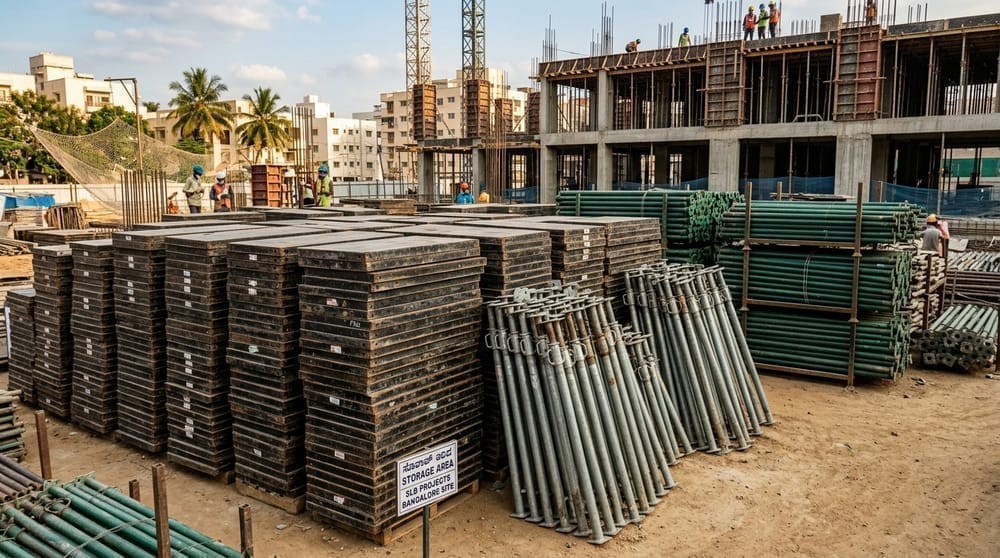 Figure 1: Centralized commercial rental yards absorb all warehousing, refurbishment, and inventory carrying costs.
2. Direct Head-to-Head Comparison: Renting vs. Buying
This financial evaluation matrix demonstrates the key balance between ownership and hiring:
| Evaluation Metric | Buying New Scaffolding | Renting Scaffolding | Financial Winner |
|---|---|---|---|
| Initial Capital Expenditure (CapEx) | ₹4,50,000 - ₹9,000,000+ per truckload | ₹20,000 - ₹50,000 initial rental deposit | Renting (Preserves cash liquidity) |
| Storage & Warehouse Overhead | ₹15,000 - ₹40,000/month yard rent in Bangalore | ₹0 (Returned immediately to supplier yard) | Renting (Eliminates ongoing storage rent) |
| Maintenance, Painting & Greasing | Mandatory periodic descaling, anti-rust painting | 100% handled by supplier prior to dispatch | Renting (Zero maintenance cost) |
| Theft & Site Security Risk | High liability during construction breaks | Zero risk once off-hired and returned | Renting (Eliminates idle asset theft) |
| Equipment Scalability & Matching | Fixed to the exact quantities and sizes purchased | 100% scalable: switch H-frames to Cuplock as needed | Renting (Total project flexibility) |
| Breakeven Utilization Threshold | Requires 70%+ active site utilization over 2.5 years | Profitable immediately from Project Day 1 | Renting (Zero idle depreciation) |
3. The Breakeven Financial Calculation (3-Year Timeline)
Let us run the real-world math for a mid-tier contractor in Whitefield completing three independent villa projects per year:
Scenario A: Buying Scaffolding
- Initial Purchase Cost: ₹8,50,000
- 3 Years Storage Yard Rent (@₹18,000/mo): ₹6,48,000
- 3 Years Maintenance, Painting & Transport: ₹1,20,000
- Component Loss & Scrap Wear (7% p.a.): ₹1,78,000
- Total 3-Year Outflow: ₹17,96,000
Scenario B: Renting on Demand
- Project 1 (60 Days Hire): ₹52,000
- Project 2 (75 Days Hire): ₹64,000
- Project 3 (60 Days Hire): ₹52,000
- Total Annual Rental (3 Projects): ₹1,68,000
- Total 3-Year Outflow (9 Projects): ₹5,04,000
Net Cash Savings by Renting: ₹12,92,000 over 3 years! Furthermore, the rental payments are 100% tax-deductible operational expenses (OpEx) in the active financial year, rather than requiring multi-year asset depreciation schedules.
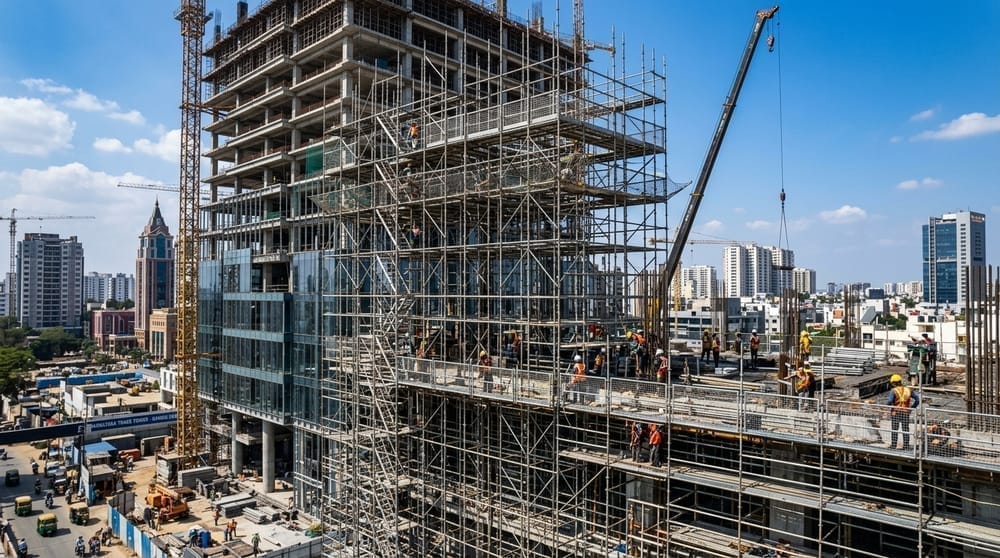 Figure 2: Renting guarantees that every dispatched batch is pre-inspected, load-tested, and free of structural defects.
4. The Operational Agility Advantage
When you own scaffolding, you are emotionally tied to using that exact system on every job—even when it is poorly suited. You might use bulky Cuplock pipes for simple interior electrical work where a mobile aluminium tower would complete the job in one-third the time. Renting gives you complete technical freedom to order H-frames for painting, heavy Cuplock for basement retaining walls, or mobile towers for atriums.
Frequently Asked Questions: Rent vs Buy Scaffolding Analysis
Purchasing scaffolding is only financially justified for large developers who run 3 or more concurrent multi-storey projects year-round, possess their own private storage yard with crane loading facilities, and maintain a full-time equipment maintenance crew.
A single 10-tonne commercial truckload of new BIS-certified Cuplock standards, ledgers, base jacks, and steel walk planks costs approximately ₹7.5 Lakhs to ₹11 Lakhs (+18% GST), representing a massive cash drain for medium-sized builders.
Under the Indian Income Tax Act, scaffolding and construction formwork depreciates at 15% to 40% annually. Furthermore, physical loss, bending, mortar contamination, and theft typically erode 5% to 10% of inventory value each year.