
Table of Contents
Tap to View
When requesting quotes for scaffolding rental in Bangalore, you may find that two seemingly similar projects receive notably different estimates. Why does this happen? Scaffolding rental is not a one-size-fits-all commodity; pricing is an engineered calculation based on structural physics, site accessibility, safety compliance, and duration. Understanding the 8 critical factors that affect scaffolding rental cost empowers you to optimize site conditions and save tens of thousands of rupees on your civil budget.
⚡ Key Takeaway
The three biggest cost drivers in scaffolding rental are working height, live load requirements (plastering vs painting), and site logistics/carriage distances. Planning site access and matching the staging system to the exact trade will drastically reduce unnecessary expenses.
The 8 Key Factors Determining Scaffolding Rental Pricing
1. Working Elevation and Building Height
As staging exceeds 12 to 15 meters (4 to 5 storeys), structural engineering mandates change dramatically. Wind pressure in open corridors like Devanahalli and Sarjapur requires additional diagonal sway braces, heavy-duty anchor brackets drilled directly into RCC columns, and safety catch nets. Equipment density per vertical meter increases, adjusting the square footage rate upward by 15% to 25%.
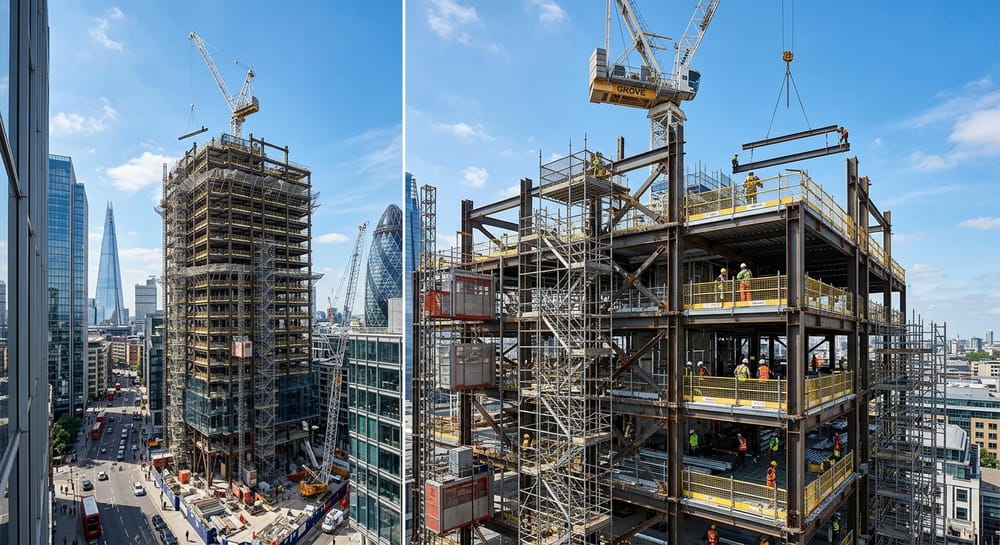 Figure 1: High-rise elevations demand heavy-duty anchoring, wind bracing, and certified safety net systems.
2. Trade-Specific Load Capacity (Class Rating)
Scaffolding is categorized under Indian Standard IS 2750 based on intended live load:
- Light Duty (Painting, Cleaning, Glazing): Up to 150 kg/m². Standard H-frames with ledgers spaced at 2.0m intervals are sufficient.
- Medium Duty (General Maintenance, Electrical): Up to 200 kg/m².
- Heavy Duty (External Cement Plastering, Brick Masonry): Up to 300 kg/m². Requires closer vertical Cuplock standards (1.2m to 1.5m grid), heavy base plates, and continuous steel walkway jalis to bear stacks of cement mortar and multiple masons simultaneously.
3. Material Selection: MS Pipe vs Cuplock vs Aluminium
Mild steel (MS) tubular scaffolding is the workhorse of Indian civil construction due to its immense strength and low monthly rental rates (₹14 to ₹22/sq.ft). Aluminium scaffolding offers supreme lightness and rapid mobility for interior tech park atriums, but carries a rental cost premium of 80% to 150% higher than steel.
4. Rental Duration and Minimum Billing Periods
Suppliers incur fixed administrative, yard inspection, and freight dispatch overheads regardless of whether you rent for 5 days or 5 months. Longer rental commitments (60 to 180 days) allow suppliers to amortize mobilization overheads, unlocking significant volume rebates.
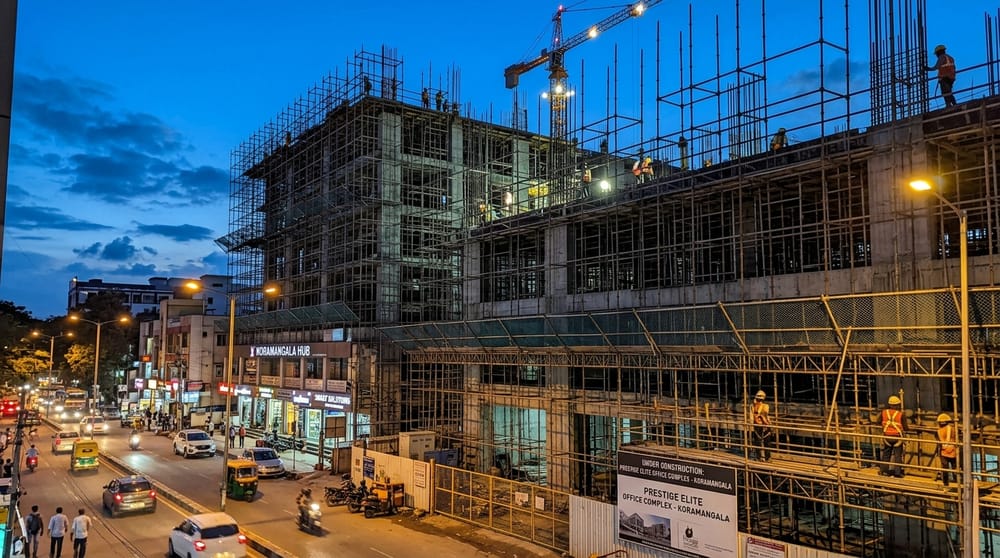 Figure 2: Challenging urban site access in congested Bangalore layouts requires careful logistical pre-planning.
5. Site Accessibility and Transport Distance
Bangalore's traffic restrictions and narrow residential cross roads directly influence delivery logistics. If your site is on a 20-foot road in Basavanagudi or Malleswaram, deliveries must be split across multiple mini-trucks rather than one 10-tonne lorry, increasing transport freight.
6. Manual Carriage Distance (Hamali Overhead)
If the delivery truck can park directly adjacent to the building footprint (within 10-15 meters), unloading is swift and economical. However, if materials must be manually carried 50 meters down a narrow gully or hoisted up three flights of stairs, labor carriage fees will be added to your invoice.
7. Ground Surface Stability & Jack Requirements
Erecting scaffolding on uneven, uncompacted soil requires heavy timber sole plates, screw-threaded universal base jacks, and ground leveling preparation to prevent differential settlement and structural collapse.
8. Erection Labor vs. Material-Only Supply
Opting for a pure material rental (where your in-house shuttering carpenters assemble the staging) keeps costs low. Choosing a turnkey rental (including certified erection labor, safety harnesses, and supervisor sign-off) adds roughly ₹4.50 to ₹8.00 per sq.ft but eliminates contractor liability and accident risk.
Comprehensive Cost Driver Summary Matrix
| Cost Driver | Impact on Rental Quote | Typical Cost Variance | How to Optimize |
|---|---|---|---|
| Elevation Height (>15m / 5 Floors) | High (Requires heavy bracing, safety netting) | +15% to +25% | Use modular Cuplock with engineered wall ties |
| Material System (Aluminium vs Steel) | Very High (Aluminium carries premium hire) | +80% to +150% | Use steel for heavy civil and aluminium only for indoor mobility |
| Site Logistics & Road Width | Medium (Affects truck size and manual carriage) | +₹2,000 to +₹6,000 / trip | Provide clear parking within 15m of site gate |
| Rental Duration (Short vs Long Term) | High (Long-term contracts receive volume rebate) | -10% to -20% overall | Commit to 60 or 90 days upfront rather than weekly |
| Live Load Requirements (Class 1 to 4) | High (Plastering requires double staging & walk decks) | +20% to +35% | Differentiate painting vs heavy masonry zones |
| Erection & Dismantling Inclusions | Significant (Full turnkey vs equipment only) | +₹4.50 to +₹8.00 / sq.ft | Use certified supplier erectors to prevent site accidents |
Frequently Asked Questions: Factors Affecting Scaffolding Cost
Taller structures experience substantial wind shear forces, necessitating heavy diagonal sway bracing, anchored structural wall ties every 4 meters, double guardrails, overhead debris protection fans, and reinforced heavy-duty base plates.
While the base equipment rental rate stays identical, logistics and labor costs increase. In narrow streets (e.g. Malleswaram or Chickpet), large trucks cannot enter; multiple smaller vehicle trips (Tata Ace) and extended manual carriage (hamali) increase total project expenses.
Yes. Plastering requires heavy-duty Class 4 staging capable of supporting 300 kg/m² (workers, heavy mortar trays, wet cement buckets), requiring closer vertical standards (1.5m spacing) and full steel walk jalis compared to lightweight painting scaffolding (2.0m spacing).