
Table of Contents
Tap to View
Renting scaffolding should streamline your construction project, provide an unshakeable safety platform, and keep your job moving on schedule. However, civil contractors, architects, and private home builders across Bangalore frequently fall into costly traps that inflate invoices, cause friction with suppliers, or worse, lead to dangerous site accidents. In this insider guide, we expose the top 10 mistakes to avoid when renting scaffolding and share proven contractor strategies to save up to 45% on your next staging contract.
⚡ The Ultimate Cost-Saving Rule
Avoid paying for idle equipment: phase your elevations, store small couplers in locked bins, level ground before truck arrival, and issue off-hire notices promptly.
The 10 Most Costly Scaffolding Rental Mistakes
 Figure 1: Strategic planning and phased staging cut equipment rental costs by up to 50%.
1. Deducting Window & Door Voids in BOQ Calculations
Many novice estimators deduct large window openings from their facade square footage. In reality, scaffolding cannot skip windows; pipes and ledgers must span continuously across voids to maintain structural bracing. Deducting windows leaves you 15% short of material on site, triggering expensive emergency transport runs.
2. Scaffolding All Four Sides Simultaneously
Wrapping an entire 30x40 or 40x60 house in steel pipes blocks setbacks, obstructs sand and cement deliveries, and forces you to pay double the rental fee. Stage two elevations first for plastering, then move the identical materials to the remaining walls.
3. Placing Base Jacks Directly on Uncompacted Soil
During Bangalore's monsoon season, rain saturates setback soil. Metal base jacks resting directly on soft mud will settle unevenly under the weight of wet plaster, causing dangerous structural tilting. Always mandate heavy 38mm timber runner sole boards.
4. Omitting Structural Wall Ties
Scaffolding higher than 6 meters must be physically tied to the building's concrete frame. Skipping wall ties to save labor time leaves your staging vulnerable to collapse under Bangalore's sudden pre-monsoon storm winds.
5. Substituting Perforated Steel Jalis with Wooden Planks
Uncertified wooden timber planks crack along grain lines, absorb rainwater, and slip off frame ledgers. Galvanized steel walkway jalis feature pressed anti-skid dimples and positive locking hooks that eliminate slip and fall hazards.
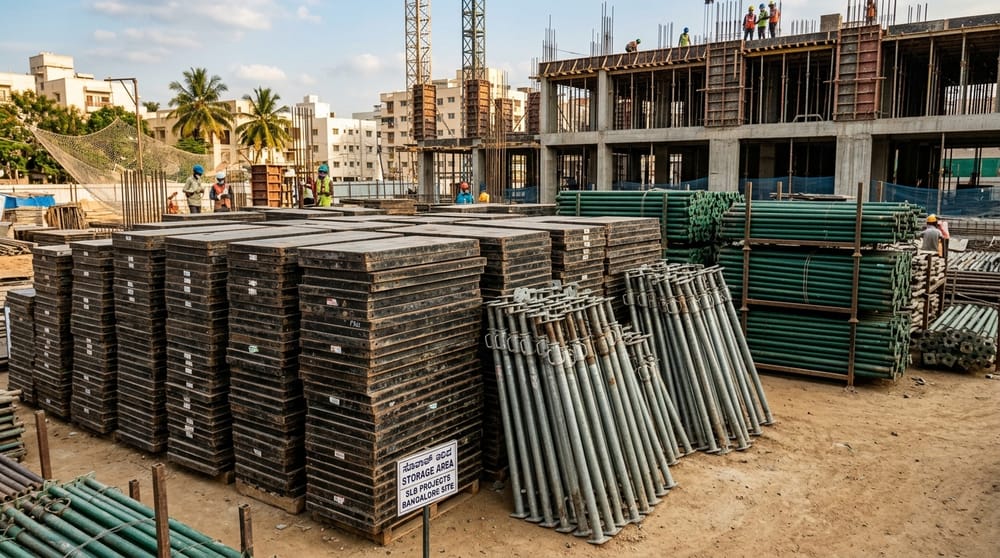 Figure 2: Properly tied, plumb-aligned staging ensures worker productivity and zero safety shutdowns.
6. Failing to Extend Staging Above the Parapet Wall
Always order vertical standards that reach at least 1.0 meter higher than the roof slab edge. This provides the mandatory top guardrail needed when workers construct the parapet wall or apply terrace waterproofing.
7. Delaying Written Off-Hire Notification
Informing the rental company verbally or waiting days after dismantling to request collection leaves your daily rental clock running. Issue a formal off-hire notice via email or WhatsApp 48 hours before teardown completes.
8. Allowing Loose Components to Scatter Around the Site Compound
Couplers, pins, and base jacks left lying in dirt piles inevitably get run over by trucks or taken by scrap scavengers. Store all small fittings in locked metal drums to prevent deposit deductions.
9. Renting Heavy Cuplock for Simple Painting Projects
Don't over-engineer! Heavy Cuplock is built for slab casting and heavy masonry. For exterior painting and light maintenance, modular H-frame scaffolding provides an unobstructed walk corridor at 25% lower rental cost.
10. Sourcing from Depots on the Opposite Side of Bangalore
Choosing a supplier with storage yards 35 km across the city adds thousands of rupees in empty deadhead diesel freight. Select a supplier with decentralized yards near your construction zone.
Master Mistakes vs. Solutions Matrix
| Mistake to Avoid | Why It Costs You Money / Safety | Correct Engineering Best Practice | Potential Cash Savings |
|---|---|---|---|
| 1. Deducting Window Voids in BOQ | Causes 15% material shortage, emergency lorry trip | Calculate full continuous gross elevation area | Saves ₹4,000 - ₹8,000 in freight |
| 2. Scaffolding 4 Sides Simultaneously | Ties up double the needed inventory for 60 days | Phase staging in 2 elevations at a time | Cuts rental bill by 40% - 50% |
| 3. Resting Jacks on Bare Mud | Uneven ground settlement causes structural tilt | Place 38mm timber sole runner boards under jacks | Prevents catastrophic collapse |
| 4. Neglecting Structural Wall Ties | Wind gusts can tip untied staging off the wall | Anchor into RCC frame every 4m vertically | Eliminates fatal accident liability |
| 5. Using Wooden Planks Instead of Steel | Wood splits, rots in monsoon, causes worker falls | Mandate perforated steel walkway jalis with hooks | Zero fall downtime, 100% safety |
| 6. Forgetting Safety Handrail Height | Fails safety inspection, requires emergency tubes | Extend staging 1.0m above top parapet wall | Avoids site stoppage fines |
| 7. Delaying Written Off-Hire Notice | Clock continues ticking on rental billing | Issue written off-hire notice 48 hours in advance | Saves 3 to 7 days unnecessary rent |
| 8. Loose Component Storage on Site | Small clamps and jacks get buried in mud or stolen | Store couplers in sealed barrels or locked store | Saves ₹5,000 - ₹15,000 in deposit deductions |
| 9. Hiring Heavy Cuplock for Simple Paint | Over-paying for heavy shoring capacity | Use modular H-frames for light facade painting | Saves 25% on monthly rental rate |
| 10. Sourcing from Distant Yards | High diesel freight rates eat your budget | Select supplier with yards near your Bangalore zone | Saves ₹3,000 - ₹6,000 per trip |
Frequently Asked Questions: 10 Mistakes When Renting Scaffolding
The most expensive mistake is renting for all four elevations at once on residential projects. By phasing the work (scaffolding two elevations at a time), contractors routinely cut their material rental invoice in half.
Designate a locked on-site storage bin or room for small components. Count couplers into bags of 50 pieces and require workers to check them in and out daily.
Rental billing typically stops on the date formal written off-hire notice is received. Advance notice also allows the rental company to schedule transport lorries to pick up materials immediately after teardown, freeing up your site compound.